
My Journey With PMOS and Motherhood
There was a time when I wasn't sure if becoming a mum would be possible for me.
After being diagnosed with PMOS (previously known as PCOS), I was told that having children might be difficult. Hearing those words at a young age was something I never expected, and honestly, it left me feeling scared, confused and uncertain about what the future might hold.
Like many women diagnosed with PMOS, I felt frustrated by my body. I struggled with understanding what was happening, why things felt different for me, and what I could do to support my health.
At the time, I didn't realise that this diagnosis would eventually shape not only my approach to fitness and nutrition, but also the way I coach women today.
Learning to Work With My Body
But over time, I realised that fighting against my body wasn't the answer. Instead, I started focusing on building habits that supported my health rather than punishing myself into change.
I learned the importance of strength training, balanced nutrition, managing stress, prioritising sleep and staying consistent even when life wasn't perfect.
The biggest lesson I learned was that progress doesn't come from extreme measures.
It comes from the small things you do consistently over time.
Becoming a Mum
Fast forward to today, and I'm incredibly grateful to be a mum to two amazing boys. Motherhood has brought so much joy to my life, but it has also taught me some of the most valuable lessons about health and fitness. Having children completely changed my perspective.
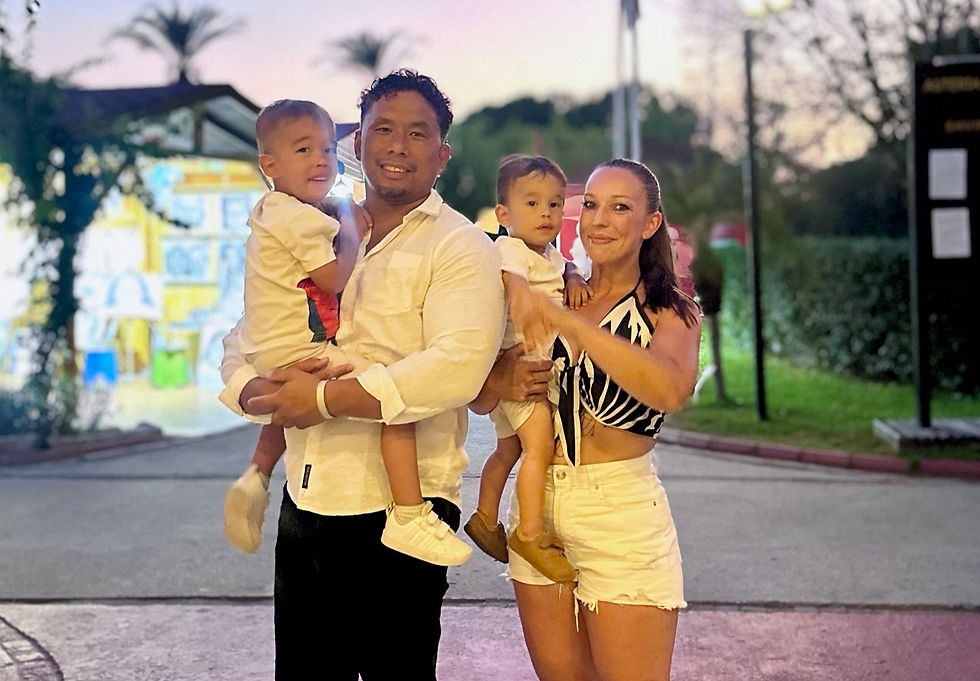
Gone were the days of having endless time to dedicate to myself. Suddenly, my workouts needed to fit around nap times, family commitments, busy schedules and all the unpredictability that comes with raising children.
It taught me that fitness doesn't need to be perfect to be effective. Some weeks you have more time than others. Some weeks you're simply doing your best. And that's okay.
Why I Coach Women Differently
My own experiences with PMOS and motherhood are a huge part of why I coach the way I do.
I know what it's like to feel overwhelmed by conflicting advice. I know what it's like to struggle with consistency. I know what it's like to feel frustrated when progress doesn't happen as quickly as you'd hoped.
That's why I don't believe in extreme diets, endless restrictions or all-or-nothing thinking.
I believe in helping women create realistic habits that fit their lives. Because the reality is that most women aren't training for fitness competitions. They're trying to feel better. Have more energy. Feel confident in their clothes. Improve their health. And become the strongest version of themselves.
What I Want Women to Know
If you've recently been diagnosed with PMOS, or you're currently struggling with your health, confidence or relationship with your body, I want you to know that your diagnosis does not define your future. You are not broken. You do not need to be perfect. And you do not need to wait until life is less busy to start looking after yourself.
The journey may not always be straightforward, but progress is possible. Small habits matter. Consistency matters. And learning to work with your body rather than constantly fighting against it can be incredibly powerful.
Looking back, if someone had told me that one day I'd become a mum to two boys, build a career helping women transform their lives, and feel genuinely grateful for the lessons my diagnosis taught me, I probably wouldn't have believed them.
But here I am. And that's why I'm so passionate about helping other women realise what's possible for them too.


Comments